How we look at it



Industry
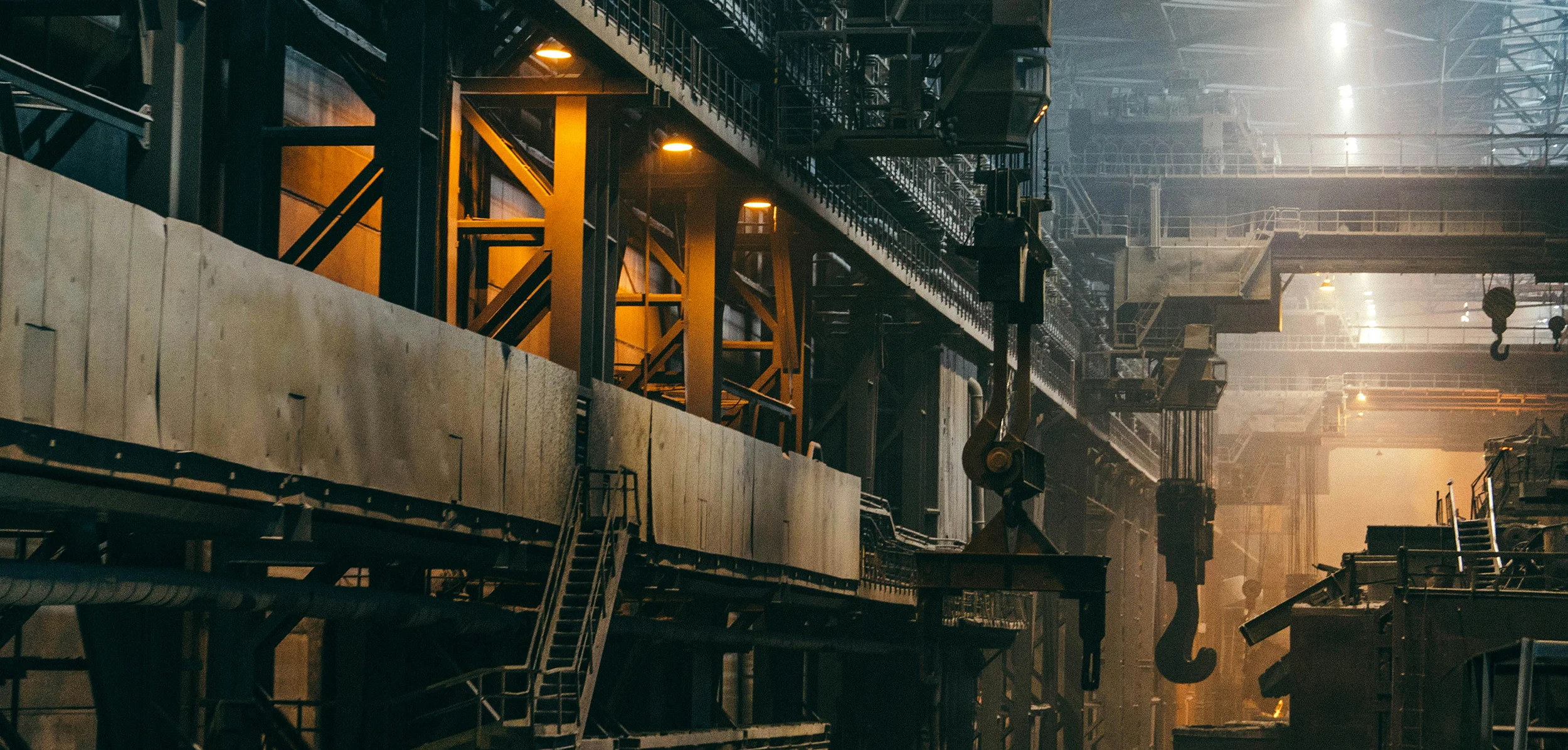

Unplanned downtime impacts production schedules, delivery commitments and profitability. The challenge is identifying issues before they affect operations, rather than reacting once production has already stopped.
Supplier disruptions, fluctuating demand, labor shortages and changing customer requirements can quickly make production plans obsolete. Staying flexible without sacrificing efficiency has become a competitive necessity.



Every machine tells a story long before it breaks down. Production equipment generates a constant stream of operational data that can reveal early warning signs of wear, failure or performance loss. Better visibility creates more room to plan maintenance proactively, reduce downtime and extend asset lifecycles.
Quality issues rarely start with the final product. Small deviations in processes, materials or machine performance can quickly impact output, waste and customer satisfaction. Earlier detection and better process insights help manufacturers improve consistency, reduce defects and maintain quality at scale.
Production plans are only as good as the assumptions behind them. Demand fluctuations, supplier delays, capacity constraints and operational disruptions can quickly make schedules obsolete. Better forecasting, planning and visibility help manufacturers stay agile while keeping production running efficiently.

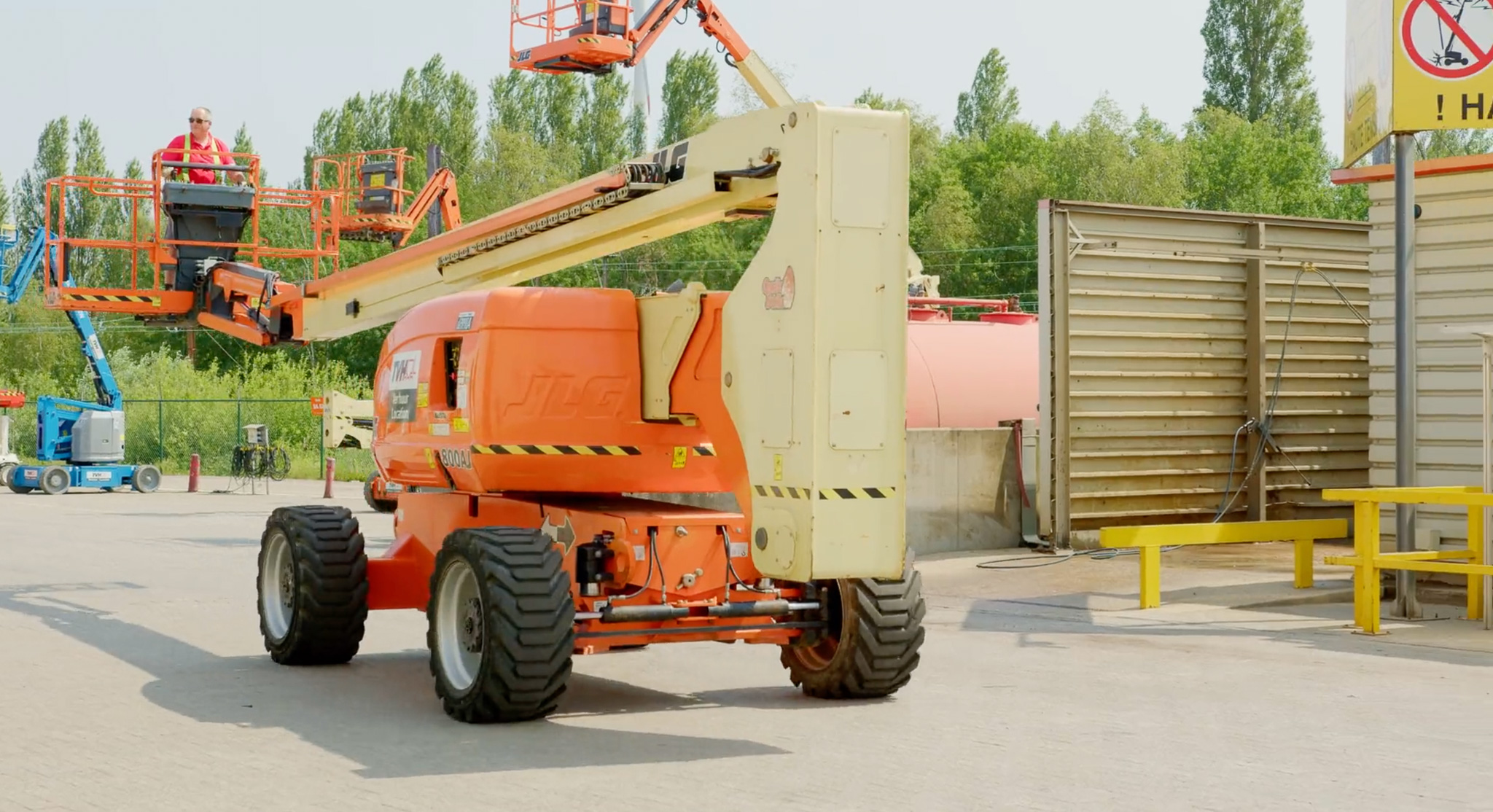

TVH Equipment uses AI to automate the processing of customer orders arriving through emails and PDF documents. By extracting order information and transferring it directly into the ERP workflow, the solution reduces manual work and errors while giving the customer support team more time for customer relationships and higher-value activities.

Absolutely. Predictive maintenance uses machine data, condition monitoring and asset intelligence to identify potential failures before they impact production. The goal isn't just fewer breakdowns, but greater equipment reliability and uptime.
That's one of the biggest opportunities. Better demand forecasting, production planning and capacity planning help manufacturers respond faster to changing market conditions while reducing excess inventory and production bottlenecks.
An increasingly important one. Supply chain intelligence helps organizations anticipate disruptions, identify risks earlier and optimize inventory, logistics and supplier networks before issues impact production.
Fortunately not. While Industrial IoT and connected operations create additional value, many manufacturers already have enough production, maintenance and ERP data to start generating meaningful insights.
That's often where the conversation starts. Better visibility into downtime, quality losses and performance bottlenecks helps manufacturers improve OEE while supporting broader continuous improvement initiatives.








%20copy.webp)