How we look at it



Industry
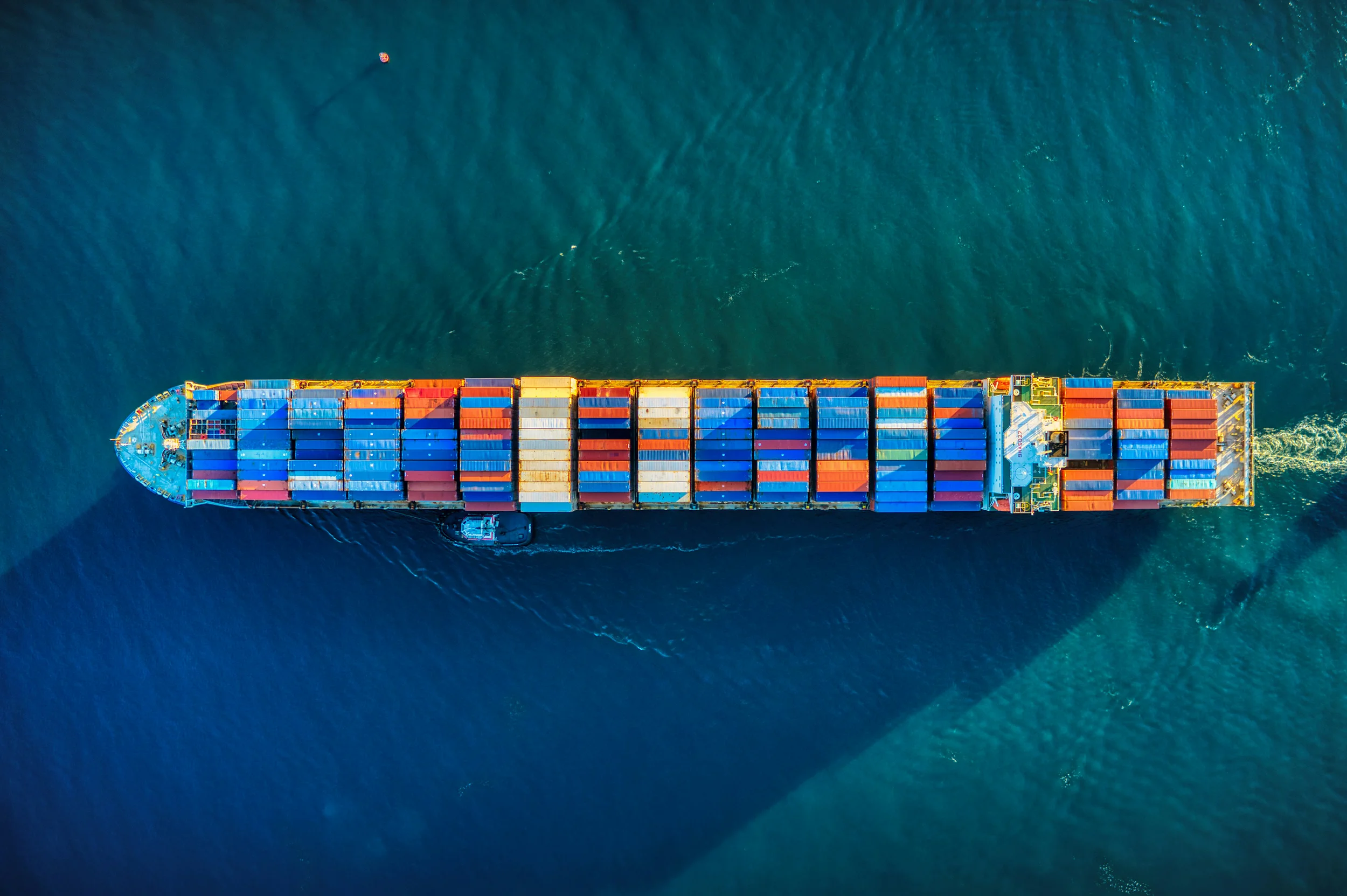

Across suppliers, warehouses, carriers and customers, a delay in one place often creates ripple effects elsewhere. Identifying risks early enough to act remains a constant struggle.
Supply chain teams face an endless stream of delays, shortages and unexpected events. Staying ahead requires visibility, agility and the ability to anticipate what comes next.



The best supply chains aren't necessarily the fastest, but the ones that can anticipate what's coming. Better forecasting helps organizations balance demand, capacity and inventory while reducing surprises across the value chain.
You can't manage what you can't see. Real-time visibility across suppliers, warehouses, transportation networks and customers helps organizations identify bottlenecks earlier, respond faster and keep operations running smoothly.
Every delay, empty kilometer and inefficient process comes at a cost. Smarter planning, route optimization and operational automation help logistics teams improve efficiency while maintaining service levels.

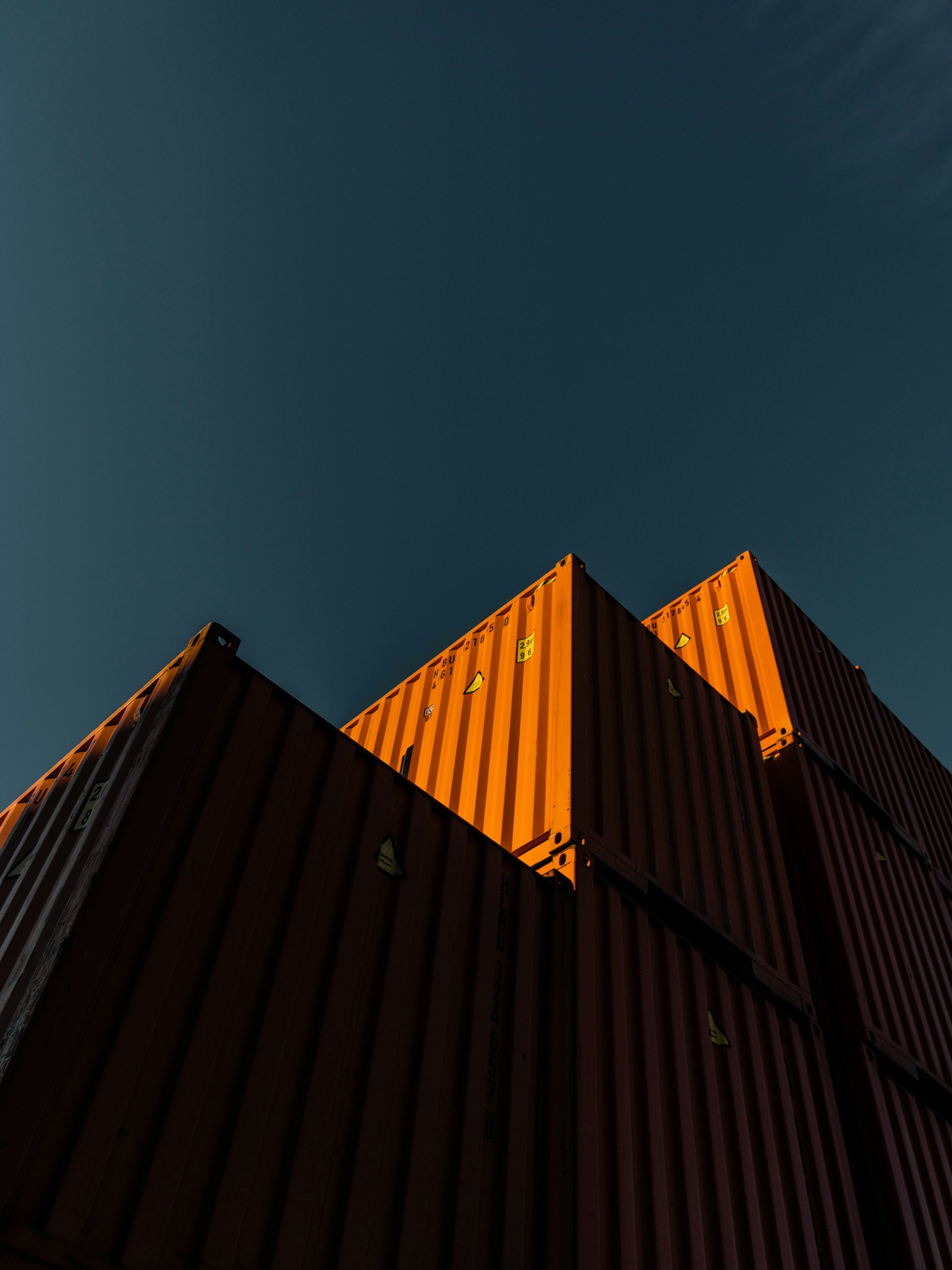

At DP World’s Antwerp Gateway Container Terminal, data and advanced analytics help planners find more efficient berth configurations before vessels arrive. By simulating different scenarios and optimising container movements, the solution saves more than 250,000 kilometres of straddle carrier travel every year, while reducing fuel and labour costs.

Absolutely. The biggest challenge isn't predicting the future perfectly, but making better decisions with the information available today. AI helps improve forecasting accuracy, supports demand planning and creates more confidence in inventory and capacity planning.
That's one of the most common use cases. Better inventory planning helps organizations balance availability and working capital, reducing excess stock while maintaining service levels.
Every kilometer matters. Route optimization helps reduce fuel consumption, improve planning and increase vehicle utilization, creating benefits for both costs and sustainability.
More than ever. Modern supply chains operate in a world of constant uncertainty. AI supports disruption management by identifying risks earlier and helping teams evaluate alternative scenarios before issues escalate.
Far more than people think. From inventory management and workforce efficiency to picking optimization and operational planning, AI helps warehouse teams improve throughput without compromising accuracy.








%20copy.webp)