Turning fragmented knowledge into operational intelligence
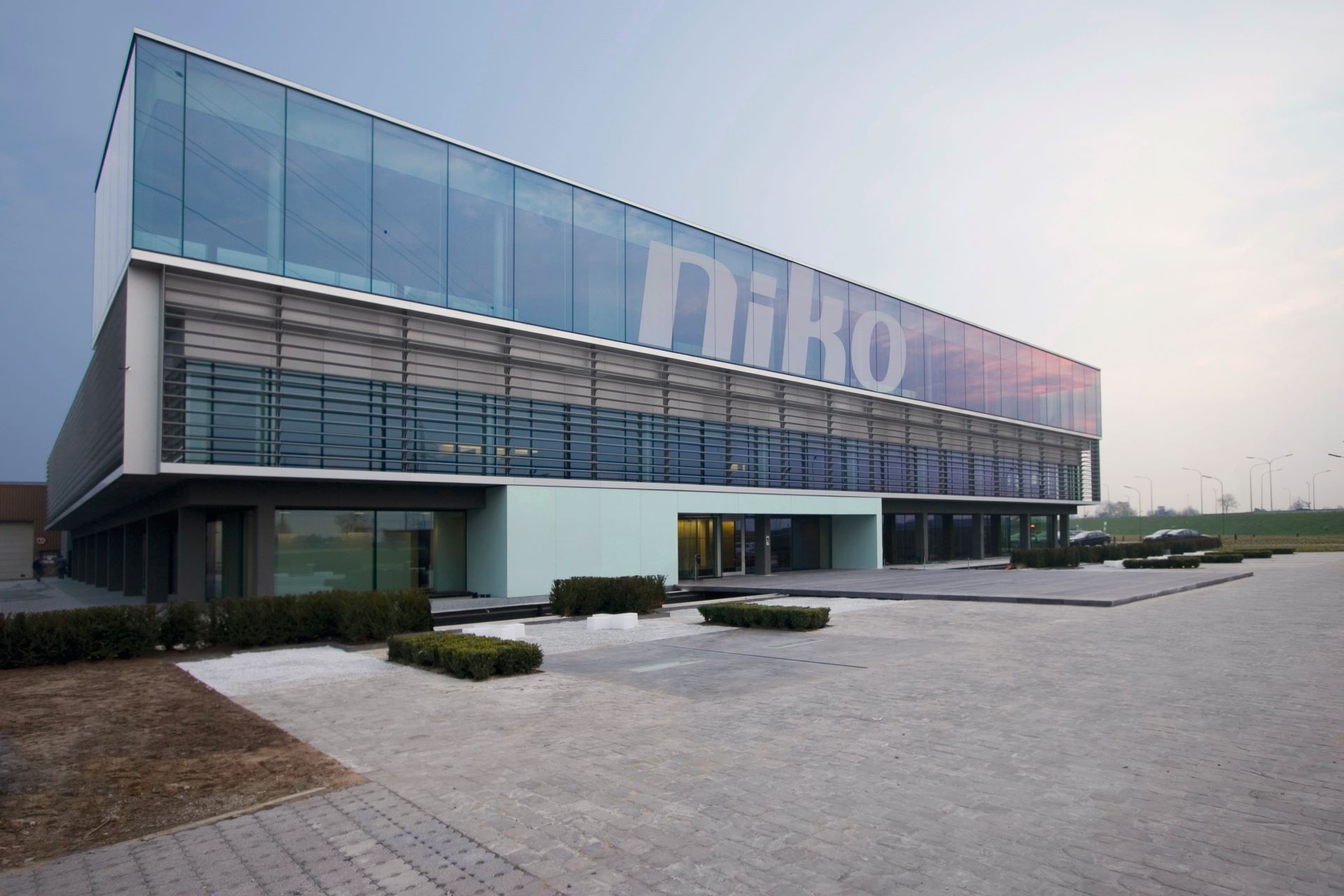
Niko, a leading Belgian manufacturer of electrical installation materials, faced a recurring issue on the production floor. Machine failures were often not new problems—solutions already existed within the organisation, but they were difficult to find.
Maintenance teams spent valuable time searching through legacy tickets and scattered documentation, slowing down resolution times and increasing downtime. What should have been a quick fix often led to unnecessary troubleshooting and delayed resolutions.
The hidden cost of unstructured data
Niko’s systems contained a wealth of information: over 88,000 maintenance tickets and more than 10,000 pages of manuals. However, this data was largely unstructured and inconsistent.
Ticket entries varied in terminology, writing style, and completeness. Misspellings, abbreviations, and missing root cause analyses made it nearly impossible to efficiently retrieve relevant information.
As a result, valuable knowledge remained hidden, leading to:
- Longer machine downtime
- Reduced availability
- Lower Overall Equipment Effectiveness (OEE)
Why AI was the appropriate solution
Traditional search tools couldn’t handle the complexity of this data, which was unstructured and inconsistent. The situation demanded a solution capable of:
• Understanding the meaning of a problem description rather than relying only on exact keywords
• Processing misspellings, abbreviations, and inconsistent terminology
• Converting incomplete ticket entries into structured, comprehensible information
• Recommending resolutions based on historical case data
However, migrating all data to a generic AI assistant was not a workable option. Without granular control over search parameters, sorting logic, data access permissions, and result transparency, the system would effectively function as a black box: impossible to validate,evaluate, or systematically improve.
Building a foundation before adding intelligence
Intodata developed a structured, measurable methodology to guide Niko from fragmented, unstructured data to a production-grade knowledge platform, where AI helps engineers quickly retrieve the right information. Instead of jumping straight into AI, Intodata took a structured approach focused on control and reliability.
A five-step methodology was implemented to transform scattered data into a trusted knowledge platform:
- Controlled search
A configurable system that connects multiple data sources and optimises how results are retrieved. - Ground truth
Defined test queries with verified results to establish a clear benchmark for performance. - Evaluation
Continuous measurement of search quality based on accuracy and relevance. - Feedback loop
Maintenance technicians provide direct input, ensuring continuous improvement based on real-world usage. - Intelligence layer
AI generates contextual summaries only after the foundation proves reliable, always linked to source data for full transparency.
This approach ensured that the system remained explainable, measurable, and continuously improving—avoiding the risks of a black-box solution.
From data to impact
By making maintenance knowledge accessible and usable, Niko achieved a clear operational impact:
- Faster resolution of machine failures
- Reduced unplanned downtime
- Better reuse of existing knowledge
- Improved Overall Equipment Effectiveness (OEE)
What was once fragmented information is now a reliable source of operational intelligence—directly supporting teams on the production floor.




.jpg)

.svg)
