

Forecasting
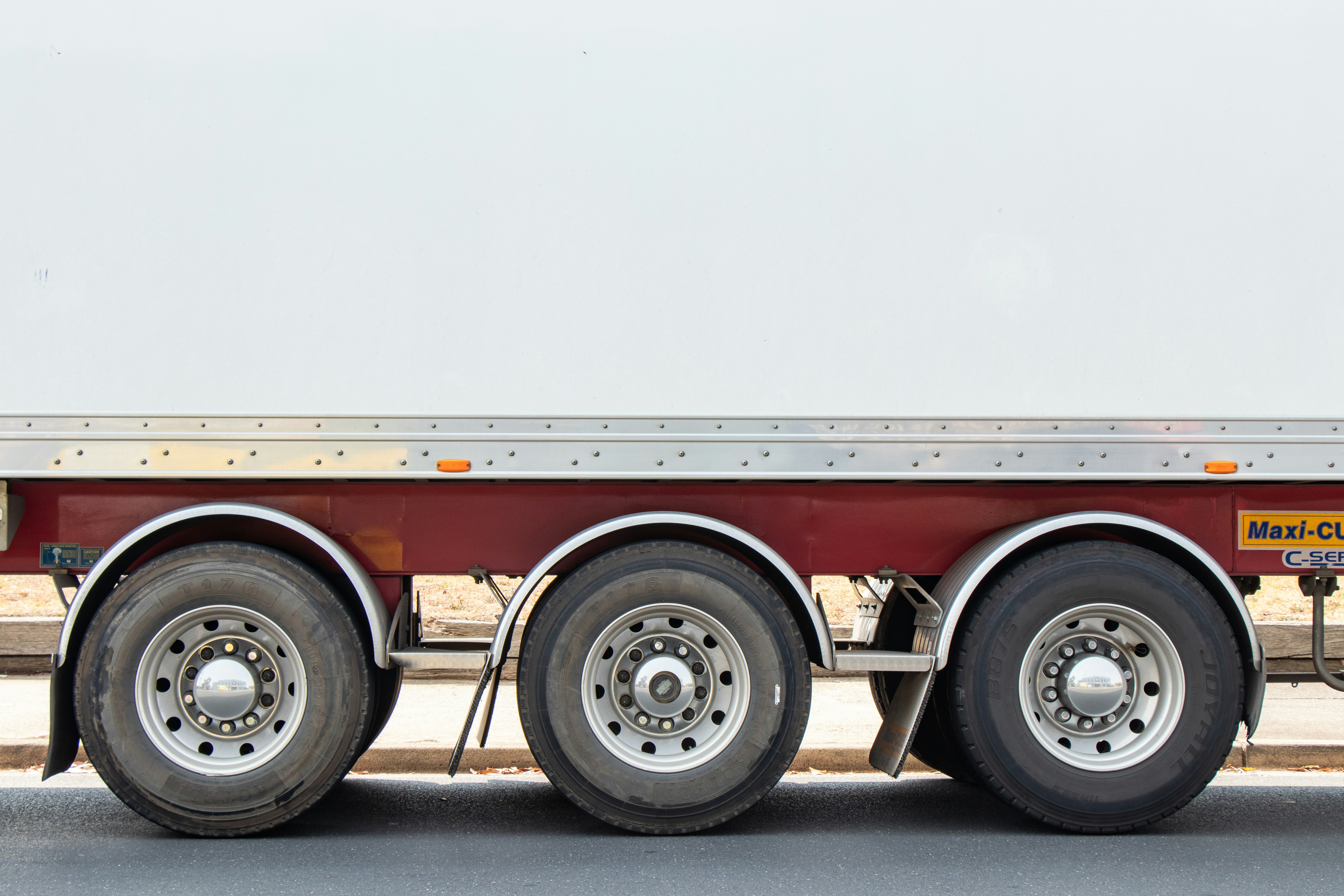

For manufacturers, knowing what customers will need next is essential for planning production and managing inventory. Eduards Trailer Factory wanted to move from relying on historical patterns and manual planning to a more data-driven approach to demand forecasting.



Eduards Trailer Factory, a prominent player in the trailer market, offers a diverse range of products to both private and professional customers across Europe. Their assembly-based business model, involving over 3,000 different items, presented significant challenges in managing lead times and inventory. Customers expected delivery within 8 working days, while component lead times could extend up to 10 weeks, making accurate demand forecasting crucial. Previously reliant on time-consuming Excel-based forecasts, the company faced risks of overstocking or understocking, impacting operational efficiency and customer satisfaction.

1
Achieved an average forecasting accuracy of 97%.
2
Enhanced alignment of stock levels with actual demand.
3
Strengthened competitive position through efficient operations.
To tackle these challenges, Eduards Trailer Factory invested in a Fabric-based AI platform integrated with their existing ERP system, Microsoft Business Central. This advanced platform collected and processed extensive data, including order history, dealer information, price fluctuations, and market trends, forming a robust foundation for training machine learning models. The system was designed to provide both short-term (next 8 weeks) and long-term (up to 12 months) demand forecasts. Remarkably, it generated forecasts for each item with an average error margin of just 2.06%, enabling better alignment of stock levels with actual demand and more efficient production planning.
The implementation of the AI platform led to immediate improvements. Objective and accurate predictions facilitated optimal inventory management, reducing operational costs and enhancing the company's ability to meet fast delivery commitments. The platform also provided valuable insights into factors influencing demand, such as seasonal trends and regional differences, supporting more informed strategic decisions. This technological advancement strengthened Eduards Trailer Factory's competitive position in a challenging market, enabling efficient operations and increased customer satisfaction.
By embracing AI-driven demand forecasting, Eduards Trailer Factory not only addressed current logistical challenges but also positioned itself for future growth and innovation in the manufacturing industry. This strategic move underscores how technology can play a pivotal role in solving complex operational issues and delivering distinctive value to customers.
-01.png)









.jpg)


%20copy.webp)