

Predictive Analytics

Manufacturing at scale comes with a constant balancing act: maintaining product quality while keeping energy use and production costs under control. For Electrolux, data offered a way to make that balance smarter and more efficient across its operations.



Electrolux wanted to shift away from gut-driven decisions on the production floor. While experience still played a role, they needed a way to support it with hard data. By focusing on specific areas with high energy use and limited visibility, they uncovered clear opportunities to improve performance and reduce costs, without overhauling their entire process.

1
Lower operational costs through optimised energy use.
2
Better quality control through machine-level monitoring.
3
Measurable impact delivered through practical improvements.
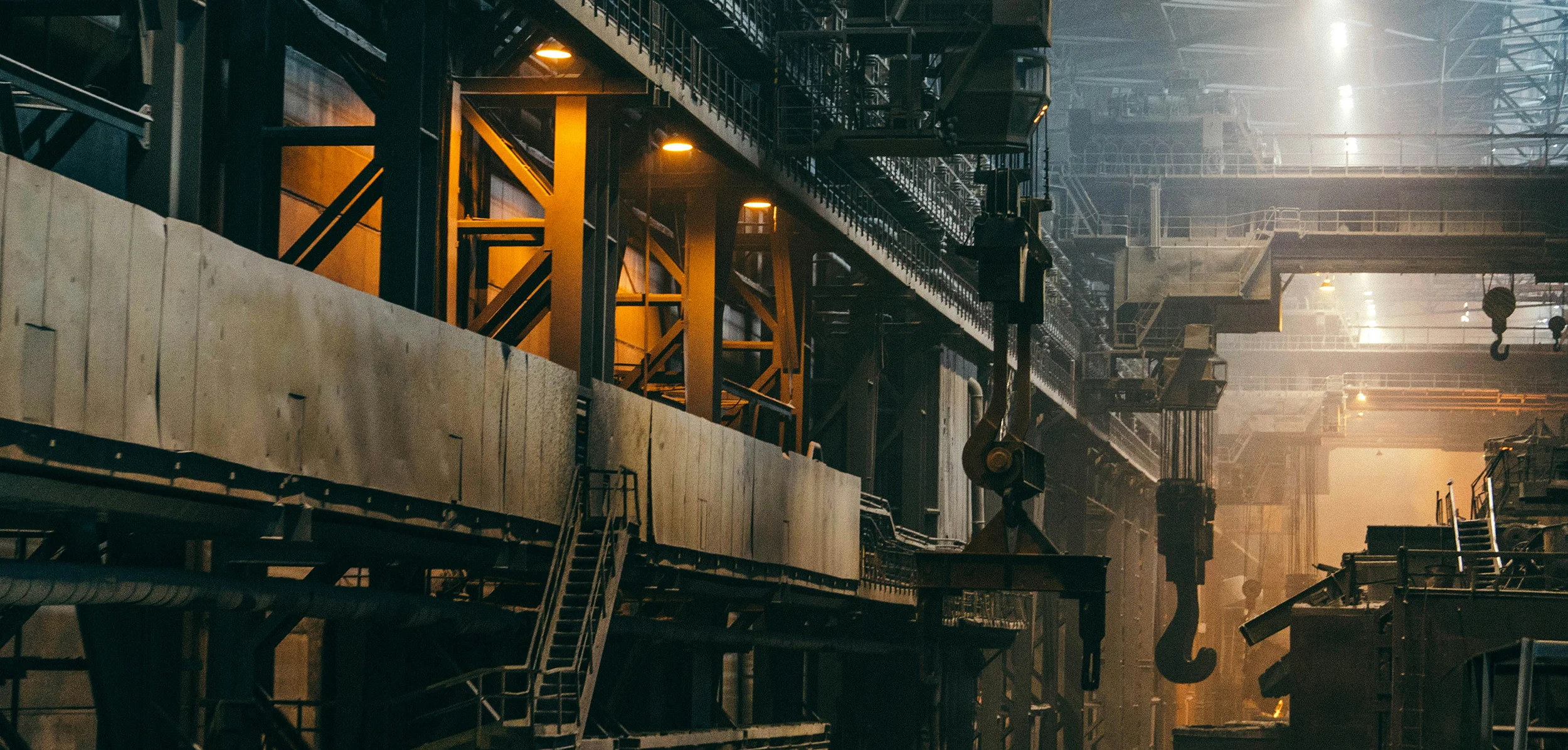
One of the biggest opportunities was in their industrial ovens, each the size of a shipping container and heated to 800°C. These furnaces are powered by gas and represent a major part of the site’s emissions.
Previously, they followed a fixed start-up schedule. Now, an algorithm calculates the right moment to power up based on real-world conditions. Operators receive precise instructions that adjust automatically to the pace of production and temperature needs.
The result: lower energy costs and a smaller environmental footprint, simply by changing when the ovens turn on
Getting quick wins was a goal in itself. It proved to everyone that this works.
Another improvement focused on screwing machines used during assembly. These tools record data like torque and speed, but none of it was visible to the operators or quality team.
That changed with the introduction of a dashboard that tracks and displays this data in real time. Electrolux can now verify whether every screw is applied correctly, turning a blind spot into a quality checkpoint.
Electrolux continues to develop new use cases in parallel. Each is grounded in a clear business goal: cut waste, increase consistency, and improve decisions using real data.
They’re also exploring ways to improve the working environment itself. Projects underway include monitoring workplace heat levels with sensors and building an app to support better posture during shifts. Because a better process means little if people aren’t supported along the way.










.jpg)



%20copy.webp)